
I knew Norway was an expensive country before I moved here two years ago, but I was still surprised when I did my first grocery shopping. I was standing in an REMA 1000 (looks a bit like an Aldi for those of you unfamiliar), staring at vegetables that cost three times what I’d paid in the Netherlands.
Coming from a country that produces lots of fresh produce, I’d always taken affordable, high-quality vegetables more or less for granted. Suddenly, a simple bell pepper was a luxury purchase, and I found myself genuinely weighing up whether that bag of salad was worth nearly 3 euro’s.
But here’s what I’ve discovered after two years of living in Norway. Norway doesn’t have to bankrupt you. The trick is understanding where the real costs lie and, more importantly, where they don’t.


Why Norway Seems Expensive (And Why It Doesn’t Have to Be)
Norway’s reputation for sky-high prices isn’t entirely undeserved. The country consistently ranks among the world’s most expensive, with high wages driving up costs across the board. However, the Norwegian krone has weakened significantly against major currencies over the past few years. When I first arrived in 2023, this currency shift had already made Norway considerably more affordable for international visitors than it was a decade ago.

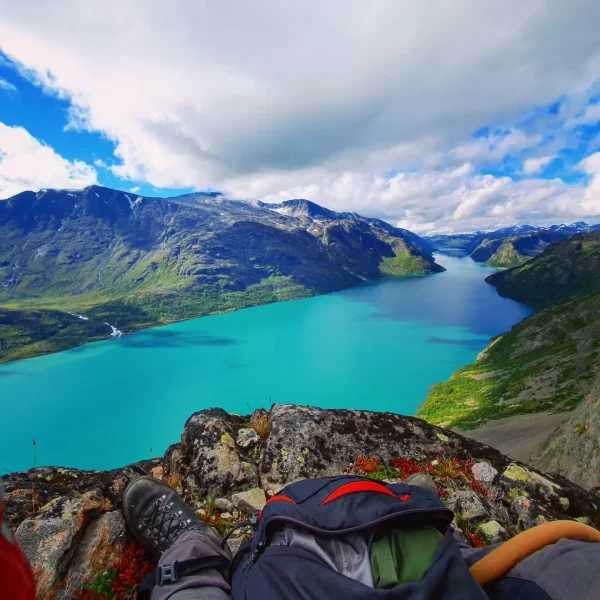
More importantly, Norway’s high costs are concentrated in specific areas. Mainly dining out, alcohol, and tourist attractions in major cities. The country’s natural wonders, which are arguably its main draw, remain largely free to access thanks to Norway’s “right to roam” laws.
Getting Around Norway Without Breaking the Bank
International Ferry Routes
There are several options by sea to reach southern Norway from Europe. From Denmark’s North Sea port of Hirtshals, you can sail to Kristiansand or Stavanger, and from Germany (Kiel) or Denmark (Copenhagen), you can reach Oslo. Key operators are Fjord Line, Color Line, DFDS Seaways (and, indirectly via Sweden, Stena Line routes).
Kristiansand: Hirtshals–Kristiansand Ferries
- Fjord Line (Hirtshals–Kristiansand) – Fjord Line runs both a high-speed catamaran Fjord FSTR and slower cruise-ferries between Hirtshals and Kristiansand. The catamaran crosses in just 2 h 25 m (March–Oct), making it the fastest link to southern Norway. The larger cruise-ferries (MS Stavangerfjord/Bergensfjord) take roughly 4 hours but operate year-round. On board you’ll find basic cafeteria dining, duty-free shopping and (if you pay extra) reserved lounge seating with complimentary drinks and snacks. Typical fares vary widely by season.
- Color Line (Hirtshals–Kristiansand) – Color Line’s fast cruiser MS Superspeed 1 makes the crossing in 3 h 15 m. On board are recliner lounges, café/buffet dining and a duty-free shop. Fares vary by date and cabin, but Color heavily promotes multi-person car packages: for instance, 4 people + car round-trip can drop to ~€48 per person one-way (with up to 50% off the return). In practice, a solo car+one ticket might run several hundred euros in summer, and much less off-season. Tip: For groups, always compare Color’s “car+4” deals or children’s discounts – they can drastically cut per-person cost.
- Other: For now there is no direct Netherlands–Norway ferry. But Njordic ferry lines is planning a route between the Eemshaven (Netherlands and Arendal)
On-board experience: Both Fjord Line and Color ships offer comfortable seats, snacks/restaurant options and tax-free shopping. Fjord Line’s cruise ships have cabins if you want to sleep; the catamaran has only seating (and a small snack bar). All ferries allow cars and walk-on passengers. Smoking areas are separated. Wifi is often available for a fee. In general the crossing is scenic (especially the approach to Kristiansand’s harbor islands) and smooth except in very rough weather. I recommend the lounge on Fjordline’s catamaran if you have a long drive ahead.
Budget tips: Aside from booking early/off-season, consider weekday sailings (Monday–Thursday are often cheaper than weekends). Use membership clubs (Fjord Line’s Fjord Club) or newsletter deals. Color’s promotional combos (e.g. families or motorhome packages) can halve return costs if you book round-trip. If you travel solo, look for Footpassenger or single-person specials – for example, crossings with just a seat and no car start very low.
Reliability: These crossings are generally reliable. Stormy weather in the North Sea can occasionally delay or cancel sailings (especially in winter); always check operator updates.
Stavanger: Hirtshals–Stavanger Ferry

Fjord Line (Hirtshals–Stavanger) – Fjord Line’s LNG-powered cruise-ferries (MS Stavangerfjord and Bergensfjord) depart Hirtshals every evening (~20:00) and reach Stavanger around the next morning. The crossing takes roughly 11–12 hours. After unloading cars, the ship continues along the coast to Bergen.
Duration: ~11½ hours (overnight).
Typical cost: Prices vary with cabin class and season. DirectFerries reports Hirtshals–Stavanger fares from about €300 up to €1 200 one-way, averaging ~€568. Expect a minimum of a few hundred euros for a double cabin in low season, rising into the high hundreds or more in peak summer.
Onboard experience: These are full “cruise ferries” with comfortable cabins (inside/outside), several restaurants (buffet and a la carte), cafes and bars, plus shops and entertainment. They are quiet, environmentally friendly LNG ships (a novelty: first LNG cruise-ferries in the world). If you’re a car passenger, you can sleep in a cabin or buy a seat in a lounge (Fjord Line’s Fjord Lounge has good seats, free coffee and power outlets). Although not suited for sleeping, book a cabin, not an ‘ airseat’ if you want to sleep!
Budget tips: Book cabins early. Off-season and midweek sailings are much cheaper. Loyalty points (Fjord Club) may earn discounts on food and parking.
Reliability: The overnight fjord crossing are popular and normally runs year-round. Weather cancellations are rare but possible in winter storms.
Oslo: Kiel–Oslo and Copenhagen–Oslo Ferries
- Color Line (Kiel–Oslo) – Color Line offers nightly service from Kiel, Germany to Oslo. One ferry departs Kiel in the afternoon and arrives Oslo the next day (~20 hours). For example, if you leave Kiel at 14:00 you dock in Oslo at about 10:00 the following day. In effect it’s a 20-hour overnight cruise. Two modern large cruise ships (Color Magic and Color Fantasy) operate this route.
- Duration: ~20 hours (overnight).
- Fares: High – DirectFerries notes one-way tickets range roughly from €480 to €1750. Cheapest cabins start around $523, but mid-range doubles with car are often €800–€1500 in summer. Foot-passenger fares (no cabin) average around $772 (~€700).
- Onboard: This is a cruise-ferry experience: you’ll find multiple restaurants (buffet, à-la-carte, pizzeria), lounges, a nightclub, a duty-free megastore, children’s play area, and even a small spa and pools on some departures. Cabins range from simple inside cabins up to luxury suites. It’s very comfortable – essentially a short mini-cruise.
- Budget tips: Watch for last-minute “minicruise” deals on Color’s website or via ferry booking sites. Compared to the flight+hotel cost, this can be economical if you book a cheap cabin (especially outside high-season). The price variation is huge, so sign up for fare alerts.
- Reliability: The Kiel–Oslo ferry runs daily and is generally reliable. Port delays or itinerary changes (e.g. skipping intermediate stops) are rare. As with all North Sea crossings, rough weather can cause delays, but cancellations are uncommon on this major route.
- DFDS Seaways (Copenhagen–Oslo) – DFDS operates daily overnight sailings between Copenhagen and Oslo. The ship leaves Copenhagen late afternoon and arrives central Oslo early next morning. For instance, on one schedule the ferry departs at 16:30 and arrives Oslo 10:00 the next day – about 17½ hours in transit. These are cruise-ferries (former P&O vessels) with restaurants, bars, duty-free shops and cabins. There is also a popular “minicruise” package (2-night round trip).
- Duration: ~17–18 hours overnight.
- Fares: Starting low. DFDS advertises prices “from €45 per person” plus car, but that is based on a 4-person car group (so actual group price ~€180). In practice, a single adult with car is more like €200–€300 one-way in low season, rising to €400+ in summer. Foot passengers (without car) can often find fares around €60–€80 one-way.
- Onboard: The Copenhagen–Oslo ferries are well-equipped: you’ll find a large buffet restaurant, a bar/pizza grill, a café and a decent duty-free shop. The ships offer basic entertainment and children’s play areas. For accommodation, there are standard cabins available, both inside and outside.
- Budget tips: DFDS often runs special mini-cruise deals (e.g. Copenhagen–Oslo return for low prices, including bus transfer). Check their Package holidays deals. Also, if flying into Copenhagen first, consider a combo ticket (flight + overnight ferry) – sometimes bundled offers can beat separate booking. As always, midweek crossings are cheaper and book early. In my experience, DFDS is significantly cheaper when booking in a Scandinavian currency.
- Reliability: The route is very reliable year-round. Note: DFDS’s other Danish route via Frederikshavn (DFDS Frederikshavn–Oslo) was suspended from April 2025 onward, so do not plan that. The Copenhagen–Oslo sailings remain unaffected. Weather cancellations are rare.
Overland via Sweden (Øresund Bridge & Northbound Driving)
For budget travelers or those wanting to combine driving with shorter ferries, consider going via Sweden. A common overland route is:
- Øresund Bridge (Copenhagen–Malmö): Cross from Denmark to Sweden by road (bridge + tunnel). This saves taking a Denmark–Norway ferry. The one-way toll for a car is about €50–60 (pass discounts exist). Once in Sweden (Malmö), you can drive north on the E6 highway all the way to southern Norway. For example, Malmö→Gothenburg (~250 km) then Gothenburg→Oslo (~290 km) is ~7–8 hours total. Likewise, Malmö→Kristiansand (via Svinesund border) is about 8–9 hours driving.
- Short Swedish ferry (Strömstad–Sandefjord): Alternatively, from Gothenburg area you can take Color Line’s ferry from Strömstad (Sweden) to Sandefjord (just south of Larvik, Norway). This crossing is ~2½ hours and runs several times a day. A foot or car fare is relatively low (often under €50 one-way per person). From Sandefjord it’s ~130 km (1½–2 h) drive to Oslo. This can be useful if you want to avoid part of the long Norway coast drive.
Pros and cons: Driving via Sweden lets you avoid expensive long-distance ferries and gives flexibility (and sightseeing) on land. However, it adds tolls and ferry fees (about €110 together) and fuel costs. Also, Swedish motorways are mostly fast and uncrowded, but you’ll still spend a full day on the road. Taking Strömstad–Sandefjord can shorten the driving (and offers a break at sea), but adds a transfer. Overall, the Sweden route is often cheaper for solo travellers (no cabin or car-berth charges). In winter, be mindful of snowfall on Swedish highways.
Tips for Budget Travel and Reliability
- Book Early or last minute: Booking early is generally a good idea, but booking last minute can be more beneficial if you’re flexible. Generally, avoid booking when most people are booking.
- Travel Off-Peak: Sailing in shoulder seasons (spring/early summer or autumn) can cut costs dramatically. Winter crossings are cheapest. Midweek sailings often cost less than holiday weekends.
- Watch for Discounts: Sign up for ferry newsletters and club programs (e.g. DFDS Club, Fjord Club). Look for family or multi-car offers (Color Line’s “4 people + car” deal or motorhome specials). Use any promo codes or loyalty points you have. Also consider a cruise if you are just planning a short trip, they are significantly cheaper than just the ferry ride, even with a car.
- Pack Snacks/Drinks: Onboard food can be pricey (buffets €15–€20/person, etc.). Bringing a few snacks or bottled water can save a little. (Note: tax-free shops sell cheaper beer, wine and souvenirs in Norwegian waters.)
- Check Cancellation Insurance: If booking non-refundable deals, consider travel insurance or flexible tickets. Weather or mechanical issues can rarely disrupt sailings.
Flying Smart: Flights for Less

Loyalty Programs That Actually Work
Norway’s vast distances make domestic flights necessary, and I’ve learned they don’t have to be expensive if you play your cards right.
SAS vs Norwegian: I’ve flown both extensively and here’s my take:
- SAS: Better for earning EuroBonus points (which I’ve found excellent value for domestic flights)
- Norwegian: Often cheaper base fares, plus their CashPoints system is straightforward—1 point = 1 NOK
Real example from my travels: When I flew to Longyearbyen (via Oslo), booking my domestic connections 2 months ahead cost me €65 return with SAS. The same route last-minute? Over €250, and that’s when seats are even available to Svalbard.
Airport Traps to Avoid
This caught me out early on: some “Oslo” airports aren’t actually near Oslo.
Torp Sandefjord: Despite being called “Oslo-Torp,” it’s 120km from Oslo.
My rule now: Always check actual airport locations and factor in ground transport costs.
Trains and Buses: Slow Travel Savings

Good deals can be found for Trains and buses. Check, for instance, if you’re eligible for an Interrail ticket, student discount, or city passes.
Car Rentals and Road Trips
Renting a car opens up Norway’s remote areas, and I’ve found several ways to keep costs manageable:
Electric Vehicle Benefits:
- Many toll roads offer discounts for EVs
- Some ferries provide EV discounts
- Charging can be cheaper than petrol (though not always)
Accommodation: From Free Wild Camping to DNT Cabins
DNT Cabins: Norway’s Well-Organised Mountain Network
The Norwegian Trekking Association (DNT) operates over 550 cabins across Norway’s mountains and wilderness areas. While it’s hardly a secret—DNT is well-known among Norwegians and outdoor enthusiasts—it’s still underutilised by many international visitors who could benefit enormously from this extensive network.
How the system works: DNT is largely run by volunteers who maintain these cabins with impressive dedication. The system operates on trust and Norwegian efficiency: many cabins are self-service, meaning you let yourself in with a key (often hidden nearby), cook your own food using provided facilities, clean up after yourself, and leave payment in an honour box.
My experience with costs: I’ll be honest—I find DNT cabins quite expensive. Annual membership costs around £35, then cabin stays can be as high as regular hotel fares. However, the quality has always been there.
Despite the cost, it’s always been worth it for me. The reliability, cleanliness, and strategic locations make DNT cabins invaluable for serious hiking and mountain activities. Plus, you’re supporting a volunteer-run organisation that maintains Norway’s outdoor infrastructure.
Summer Ski Resort Strategy: Hidden Budget Gold
Here’s a tip many travellers miss: ski resort accommodations in summer. When the snow melts and the lifts stop running, ski areas often slash their prices to fill empty cabins and hotels.
Why this works:
- Ski resorts have massive accommodation capacity designed for winter crowds
- Summer demand is much lower, creating oversupply
- Resort operators would rather rent at reduced rates than leave properties empty
- You get mountain locations with excellent facilities at a fraction of winter prices
Best areas to search:
- Lillehammer region
- Trysil
- Hemsedal
- Geilo
- Kvitfjell
Wild Camping: Free Accommodation with Million-Pound Views
I could write a lot about camping, but that’s outside the scope of this blog post. My favourite tactic is to combine camping in the wild with campsites, hostels or hotels. This way, you can experience nature while also restocking supplies and freshening up.
Norway’s “right to roam” (allemansretten) allows free camping in nature, with some simple rules:
- Stay at least 150m from buildings
- Leave no trace
- Don’t stay more than 2 nights in one spot
Budget Urban Accommodation
Hostels: Norwegian hostels are clean and well-run, typically costing €25-40 per night in a dorm. Look for places with kitchens, being able to cook saves big on food costs
Eating and Drinking on a Budget
Grocery Shopping Like a Local
After two years of Norwegian grocery shopping, here are my go-to strategies:
Cheapest supermarkets (in order):
- REMA 1000: Consistently lowest prices
- Kiwi: Good for basics, frequent special offers
- Coop: Slightly pricier
My weekly shop strategy:
- Check store apps for weekly offers
- Buy store brands
- Stock up on non-perishables when they’re on offer
Alcohol: The Budget Killer
Norwegian alcohol taxes are brutal.
My strategies:
- Duty-free: Stock up when entering Norway. Limits apply, but there is a handy app you can use to see if you’re in limits. It also allows you to pay for anything above the limit you want to bring. This is still more affordable than buying locally.
- Sweden/Denmark runs: If you’re near the border, it’s often worth the trip.
- Embrace the detox: it’s not good for you anyway, and if you’re doing extensive hiking and saunaing, you hardly need anything to get your high!
Free and Cheap Activities
Hiking: Norway’s Greatest Free Experience
With over 20,000km of marked trails, hiking is Norway’s best value activity. The UT.no website and app are invaluable for planning.
My favourite free hikes:
- Preikestolen (Pulpit Rock): Iconic cliff views, 4-hour round trip
- Trolltunga: Challenging but spectacular 28km hike
- Besseggen Ridge: Classic mountain hike in Jotunheimen
City Experiences on a Budget
Oslo:
- Vigeland Sculpture Park: Free and fascinating
- Opera House rooftop: Free to walk on, stunning harbour views
- Akerselva River walk: Free urban nature experience
Bergen:
- Fish Market: Free to browse, great atmosphere
- Bryggen walking: UNESCO World Heritage site, free to explore
- Mount Fløyen hike: Skip the funicular, hike up for free
Museums and Cultural Sites
Oslo Pass: If you’re doing multiple paid attractions, city passes can offer good value Free museum days: Many museums offer free entry on certain days, check individual websites
When to Visit for Maximum Savings
Shoulder Seasons: The Sweet Spot
May and September offer the best balance of decent weather and lower prices:
- Accommodation costs drop 30-50% compared to peak summer
- Ferry and flight prices are significantly lower
- Weather is still pleasant for outdoor activities
- Fewer crowds at popular attractions
Peak Season Reality Check
June-August is undeniably beautiful but expensive:
- Accommodation can cost 2-3x shoulder season prices
- Transport fills up quickly, driving prices higher
- Popular hiking trails can feel crowded
Winter Budget Travel
November-March offers the lowest prices but requires careful planning:
- Short daylight hours (4-6 hours in southern Norway, none in the far north)
- Weather can be harsh
- Some attractions and accommodations close
- But: Northern lights season, winter activities, and rock-bottom prices
Final Thoughts
Norway doesn’t have to be a financial nightmare. After two years of living here and countless trips around the country, I’ve learned that the key is knowing where to splurge and where to save. The country’s natural beauty—its greatest attraction—remains largely free to enjoy.
My top three money-saving strategies:
- Embrace slow travel: Ferries and trains cost less than flights and offer better scenery
- Avoid buying alcohol: Bring what you can from home, and embrace the detox otherwise.
- Get outside: Norway’s hiking trails offer world-class experiences for free
Planning your Norwegian adventure? Start with accommodation and transport—these are your biggest expenses and where smart booking makes the biggest difference. Then embrace the Norwegian outdoor lifestyle, and you’ll discover that the country’s most spectacular experiences cost absolutely nothing.
Have you travelled Norway on a budget? What were your best money-saving discoveries?